
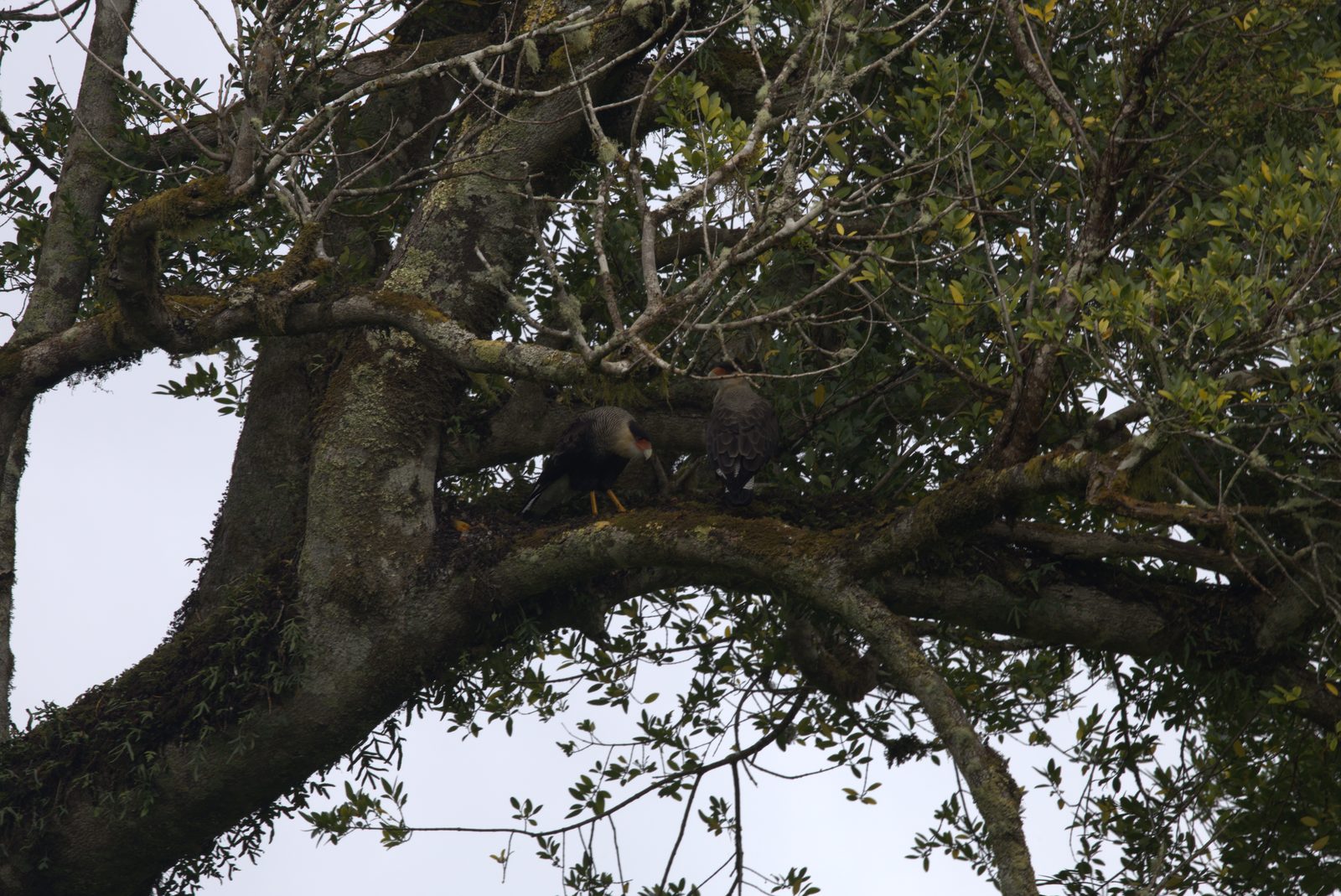
Say Patagonia today and most people picture an empty landscape. That emptiness is recent. Two hundred years ago these fjords and steppes held people who moved through them better than anyone has since.
They were three different worlds, not one nation. Two lived on the water, one on land. All three ended in the same century.
Chonos: the canoe people
The Chonos lived in the archipelagos between 44 and 48 degrees south, which is exactly the water our expedition sails. They travelled in canoes called dalcas, the men hunting sea lions with nets and spears, the women gathering shellfish and seaweed. Add small potato gardens and dogs that were apparently used for fishing.
They met Europeans in 1553, during Francisco de Ulloa's naval expedition. Then they became pilots: they knew the channels well enough that the Spanish took them along to navigate.
The end came quietly. In the 1740s the Spanish administration ordered the Chonos and Guaitecas archipelagos emptied because of the corsair threat. People were moved north to Chiloé. Some fled south past the Taitao Peninsula and were probably absorbed into Kawésqar communities. After the 18th century the Chonos disappear from the record.
What is left of their language is place names and one untranslated catechism. That is all.
Kawésqar: nomads of the channels
The southern neighbours of the Chonos, at home between the Gulf of Penas and the Brecknock Peninsula. They built canoes eight to nine metres long and a metre wide, big enough for a family and its dog. They never farmed; they lived off the sea into the twentieth century, when they were moved into settlements on land.
Before the 19th century there were an estimated 3,700 to 3,900 of them. Then comes the part that is hard to read: in 1881 European anthropologists took eleven Kawésqar to exhibitions in Paris and the Berlin zoological garden. Four came back to Chile. The remains of five of those who died in Europe were repatriated from the University of Zurich only in 2010.
In the 1930s they were relocated to Wellington Island, to Villa Puerto Edén. In the 2024 census about 2,150 people in Chile identified as Kawésqar. A handful of native speakers remain.
Aónikenk: riders of the steppe
The Tehuelche, more precisely the southern Aónikenk, lived on the steppe east of the Andes between the Strait of Magellan and the Chubut River. The whole world knows their name without knowing it: in 1520 Magellan's expedition wintered at San Julián Bay and met them there, and the scribe Antonio Pigafetta called them Patagones. Hence Patagonia.
From 1570 onwards horses brought by the Spanish reached them, and that changed everything. Groups that had moved short distances became riders crossing Patagonia north to south.
Argentina's late 19th-century campaign against the indigenous population all but finished them. A census taken between 1966 and 1968 found around 166 Tehuelche in Santa Cruz and 51 people who still spoke the language. By 1991 two elderly women held it in memory.
Tens of thousands of people in Argentina now claim Tehuelche descent: 40,836 in the 2022 census. The return of an identity and the return of a language are not the same thing.
Why it ended so fast
- Disease. It arrived before the settlers and needed no war.
- Relocation. People who lived off the sea were moved onto land. People who lived by moving were put on reservations.
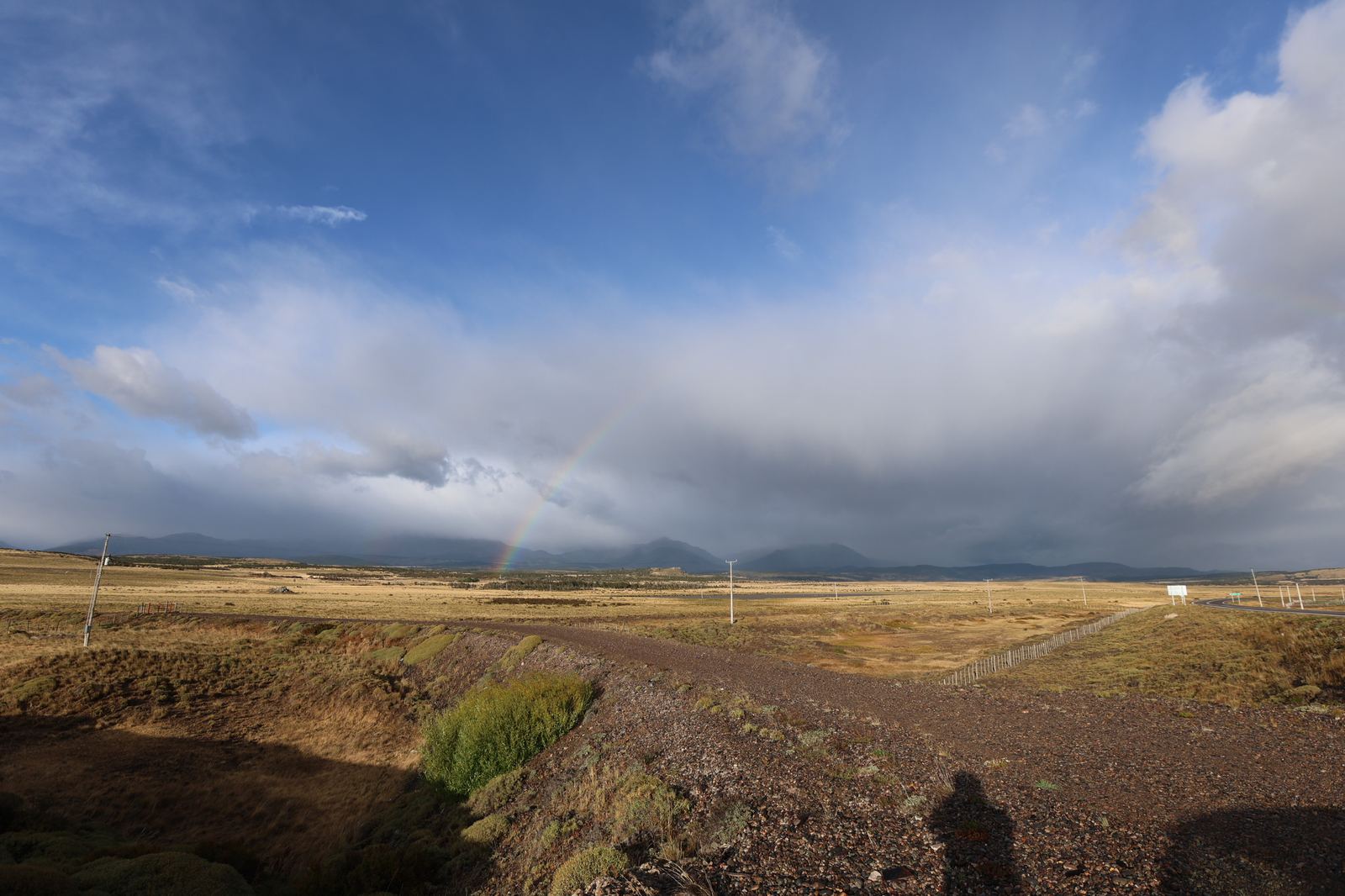
- Sheep. The steppe you could ride across was divided into estancias and fenced.
- Language. When the last fifty speakers go, so does everything that was never written down.
What you can actually see today
Very little, and that is part of the answer. Place names are often all that is left: Chonos in the name of the archipelago, Kawésqar in the name of a national park. In the fjords you can still find shell middens, the places where generations stopped and ate.
And there is something you only notice on the water: nobody invented the routes boats use today. They are the ways someone found thousands of years ago, because there is no other way through. The channel to the San Rafael Glacier is the one that was always used.
This is part two of the series Patagonia from scratch. Part one covered the region and its history.