
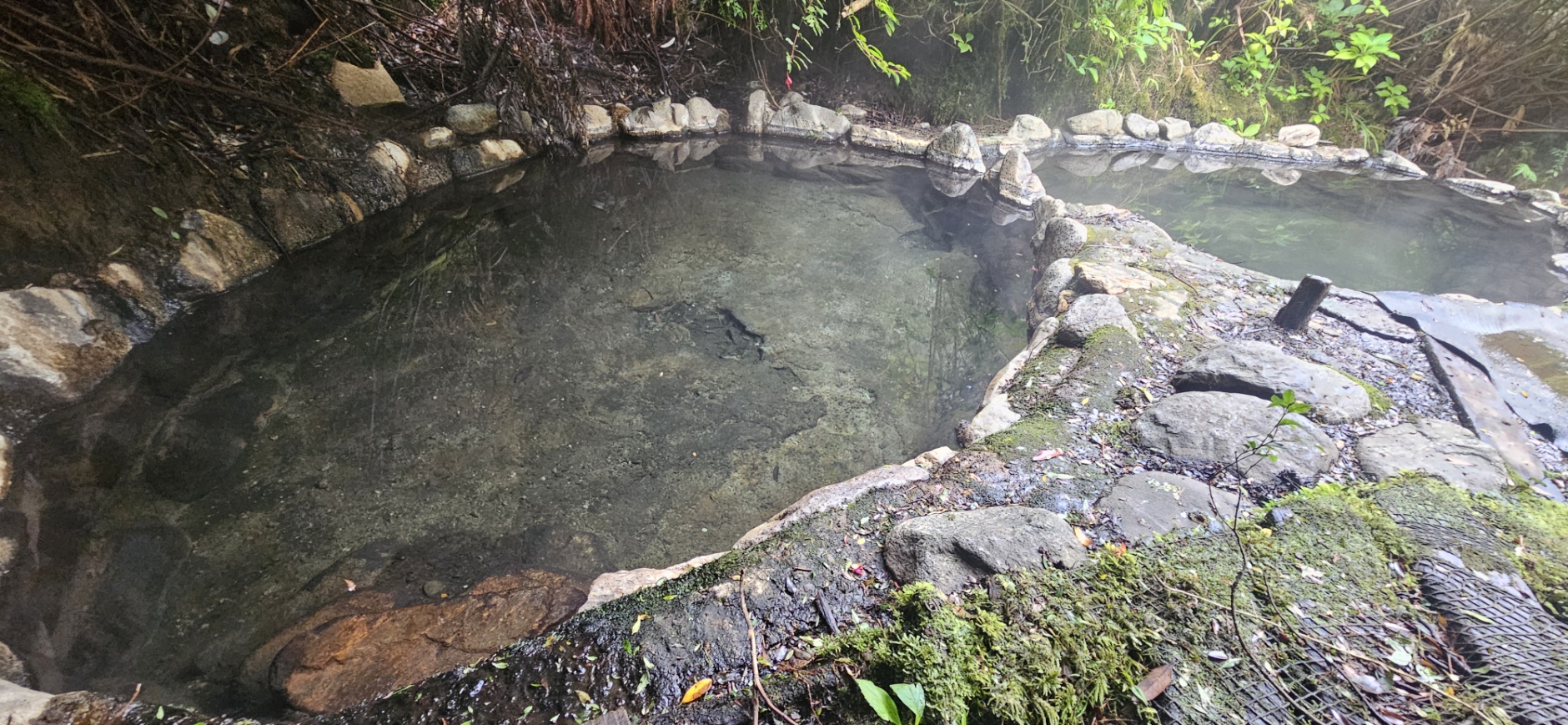
After a day of rain and wind, the best thing Aysén has to offer is hot water. There are more springs than you would expect, and the reason lies underground. Here are the ones you can find and visit, and a few words on why we keep quiet about others.
The short answer
The easiest to reach are Termas del Ventisquero, about 7 kilometres from Puyuhuapi right on the Carretera Austral, with four outdoor pools. The best known are Termas de Puyuhuapi at Puyuhuapi Lodge & Spa, reachable only by water. The simpler Termas El Sauce are near La Junta, about 60 kilometres from Puyuhuapi.
Why there is so much hot water
The Liquiñe-Ofqui fault, more than a thousand kilometres long, runs beneath Aysén with volcanoes along it. Water seeps down, heats up and rises again along the faults. That is why the springs line up along fjords and valleys rather than appearing anywhere. More on the fault and the volcanoes in The Ring of Fire in Aysén.
Termas del Ventisquero
Just south of Puyuhuapi, by the road and above the Puyuhuapi channel. Four outdoor pools, a café and a view of the water. It is the simplest way to combine hot water with a drive along the Carretera, for example in the afternoon after visiting the Queulat hanging glacier a little further south.
Termas de Puyuhuapi: by water only
On the far side of the fjord, in Bahía Dorita, stands Puyuhuapi Lodge & Spa. No road leads there. Guests are taken across by boat from a jetty by the road at fixed times. The hotel has been running for more than thirty years and draws its hot water and heating from the springs.
This is the luxury option. If you want quiet and the hotel price does not bother you, it is exactly that. If you just want to get in the water, Termas del Ventisquero is the easier choice.
Termas El Sauce near La Junta
Simple springs far from the villages, near La Junta, about 60 kilometres from Puyuhuapi. Fewer facilities, fewer people. Opening hours at small places can change, so check ahead.
The springs we do not write about
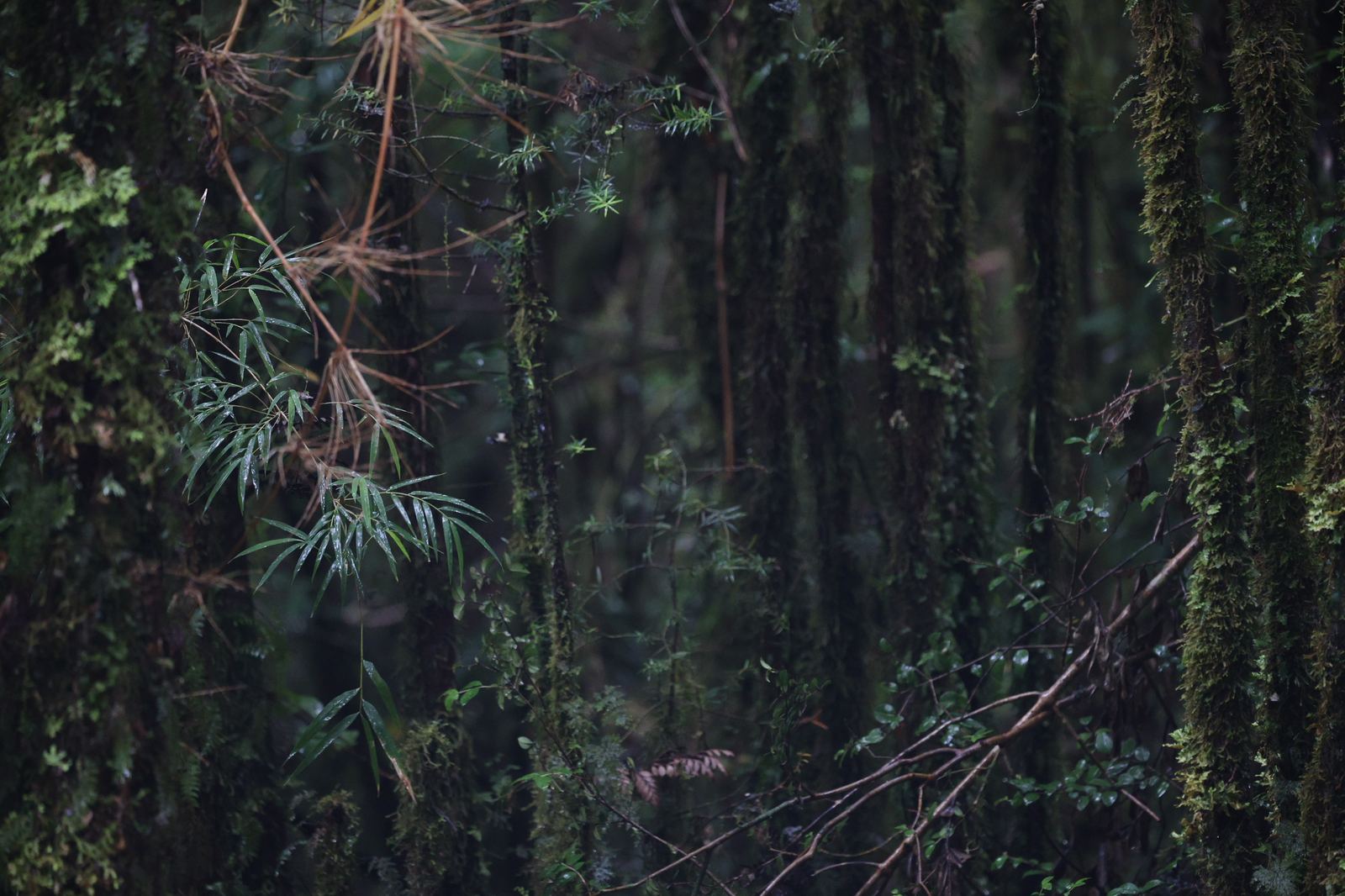
The region also has springs with no road to them, only a forest trail. On the expedition we visit one of them: a trail through the rainforest, then hot water in the middle of nowhere. We do not say where it is. It is public, and we want it to stay as it is rather than become a pin on a map.
How to behave at a spring
In the wild, no soap or shampoo, not even the "natural" kind. Take your rubbish with you, food scraps included. Leave the alcohol for later: heat, drink and slippery rocks together cause accidents. At commercial springs, their rules apply.
At a forest spring there is only one fee: leave it the way you found it.
What to take away
If you are driving the Carretera, Termas del Ventisquero is on your way. If you want luxury, take the boat to Bahía Dorita. If you want a spring without people, you have to walk to it and then keep quiet about it. Puyuhuapi, where most of the known springs are, has its own story: Czechs in Patagonia.