
Anyone who starts planning Patagonia types Torres del Paine into a search box sooner or later. It is the right place to start. The three granite towers above the lake are one of the best-known views in South America, and the W Trek is famous for good reason.
This article is not about Torres del Paine being bad. It is about a question hardly anyone asks: what do I want to bring home from Patagonia? A photo everyone already has, or a place that will be yours alone?
I run a small expedition to the Aysén region, so my side is clear. That is why I also say below when Torres del Paine is the better choice.
The short answer
Torres del Paine if you want an iconic trek on a marked route, refugios with meals, a predictable programme and one famous photo.
Aysén if you want landscapes on the same scale without the queues, a glacier you can reach only by boat, fjords with no road, and a Patagonia nobody has put in a brochure yet.
The difference is not which is more beautiful. It is how many people you share it with.
In numbers
| Torres del Paine | Aysén region | |
|---|---|---|
| What it is | one national park | a whole region with many protected areas |
| Area | about 2,300 km² | over 100,000 km² |
| Visitors | about 380,000 in the 2024/25 season | about 230,000 in summer 2025/26, across the whole region |
| Trek accommodation | reservations mandatory, peak season sold out months ahead | campsites and guesthouses, no six-month booking |
| Entry for foreigners | around 55 USD for multiple days | roughly 5 to 15 USD in CONAF parks |
| Main draw | three granite towers, the W Trek | San Rafael Glacier, fjords, rainforest, Cerro Castillo |
| Getting there | Punta Arenas or Puerto Natales | Balmaceda, then car or boat |
A rough calculation: Torres del Paine sees around 170 visitors per square kilometre per season. Aysén sees about two. It compares one park with an entire region, so treat it as an order of magnitude. But it is an order of magnitude you notice the moment you arrive.
What Torres del Paine has and Aysén does not
Let's be fair. Torres del Paine has things you will not find in Aysén.
An icon. The towers above Base Las Torres are a photo everyone knows. Aysén has no single landmark like that.
Infrastructure. Marked trails, refugios with meals, buses from Puerto Natales. You can do the W Trek without a single local contact.
Predictability. A day-by-day programme you can book from home.
If that is what you are after, go to Torres del Paine. Just expect company in January, and book campsites and refugios well in advance.
What Aysén has and Torres del Paine does not
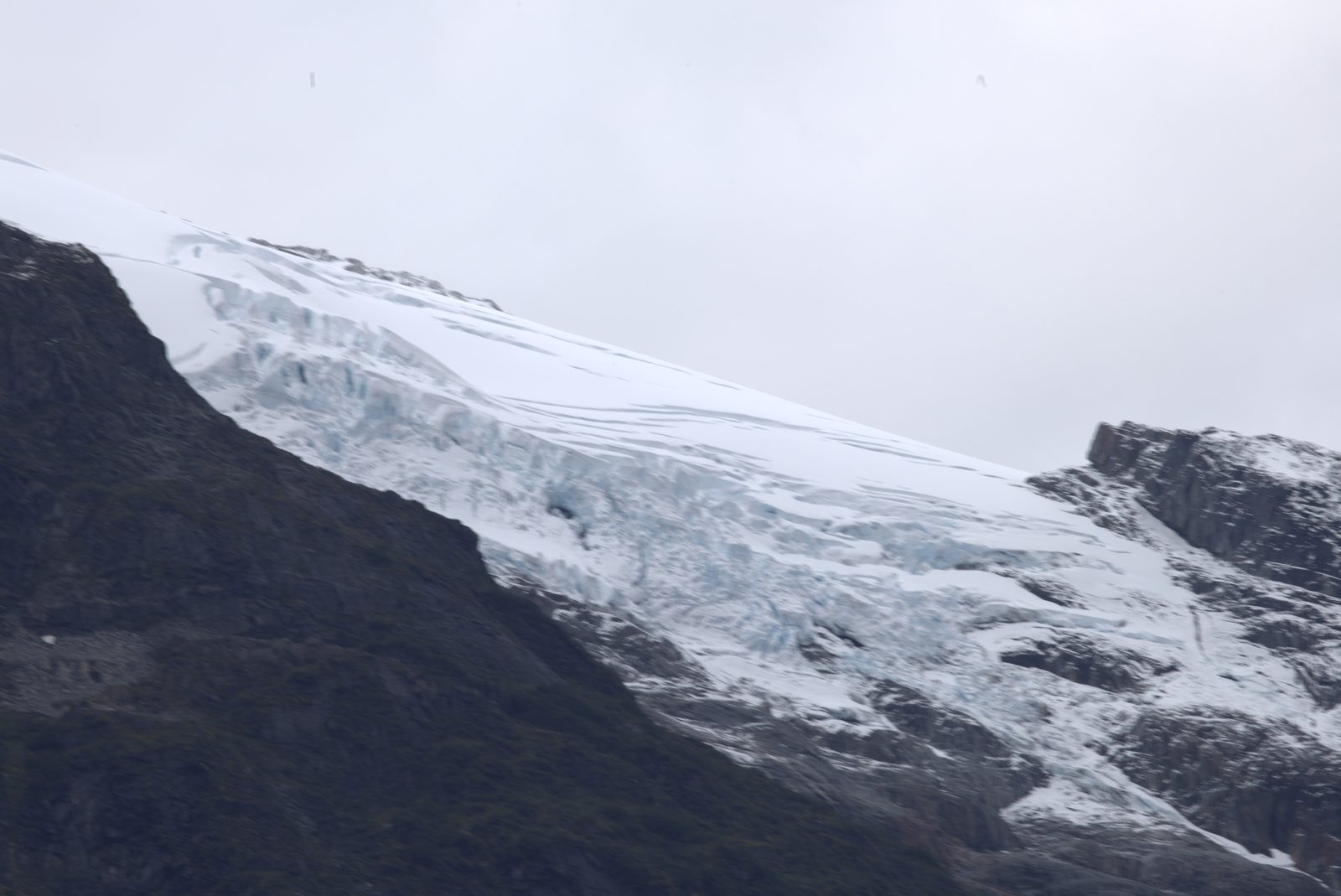
A glacier with no road to it. San Rafael ends directly in a lagoon and calves ice into it. You can reach it only by boat. Of all glaciers that end in the sea, it lies closest to the equator. San Rafael Glacier.
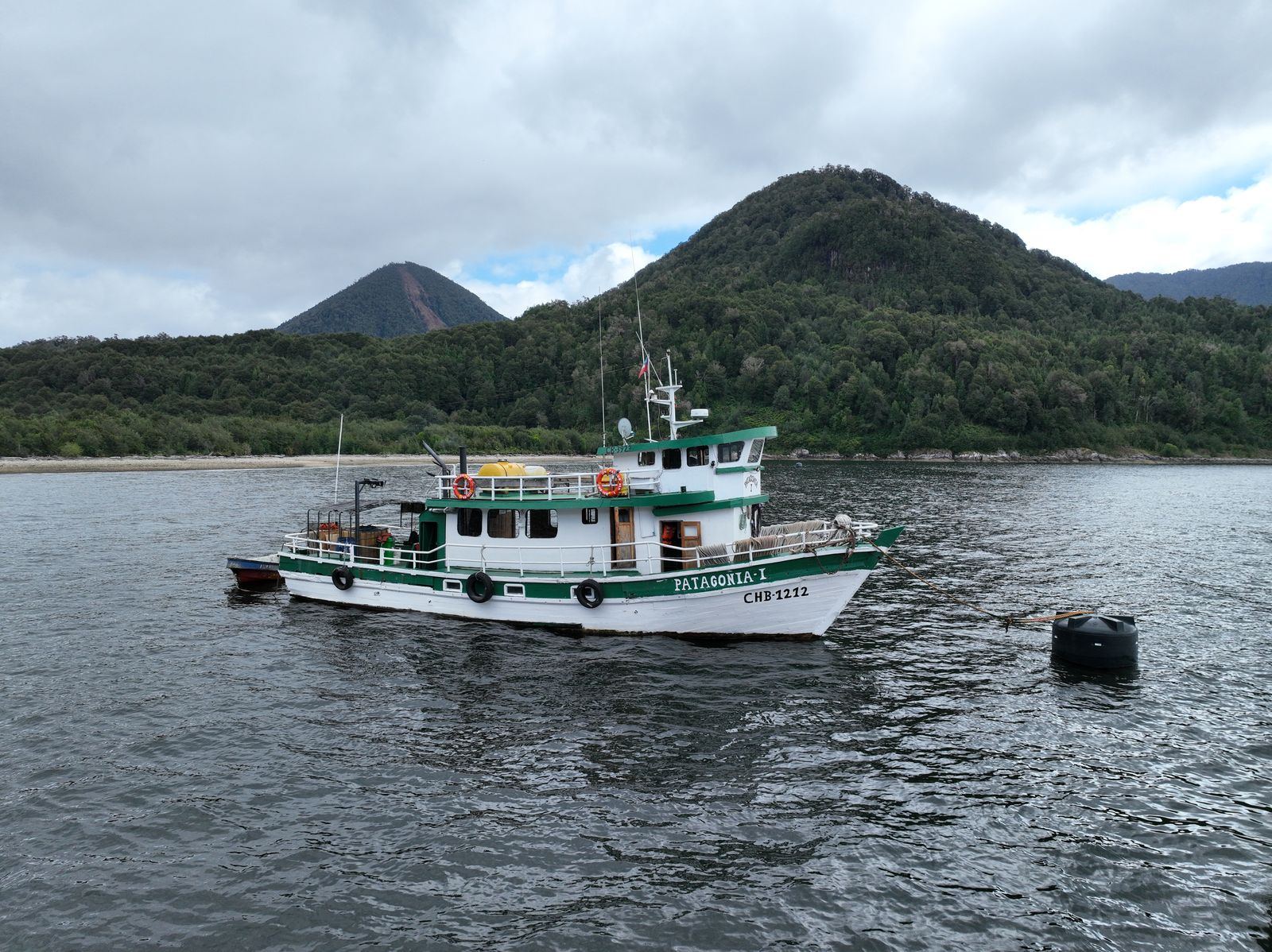
Fjords you enter only with a captain. West of Puerto Aysén, side fjords and channels run where no road goes and only fishing boats travel. There is no railed viewpoint here.
A trek with towers and no refugios. Cerro Castillo is increasingly called "the new W Trek". Four days beneath a rock wall, campsites instead of refugios, and far fewer people. CONAF sets the access rules each season and opens some sections only to hikers with a certified guide. What the traverse involves.
Rainforest and hot springs. The western slopes of the Andes are green, wet and dense. At the end of the day you sit in hot water, not in a bus queue.
Places where people live. Puerto Aysén is a fishing town, not a park gateway. You meet people who live there all year, not just seasonal staff.
A story you will not find anywhere else. The village of Puyuhuapi was founded in the 1930s by settlers from the Aš region in today's Czech Republic. After fleeing Czechoslovakia, Václav Nový from Mariánské Lázně made his way to the same waters and spent the rest of his life here.
One day here and there
Torres del Paine, January. An early bus from Puerto Natales to the park gate, registration, reservation check. On the trail to the towers you walk in a stream of people. At the top is the view that makes it worth it, with dozens of others photographing it too.
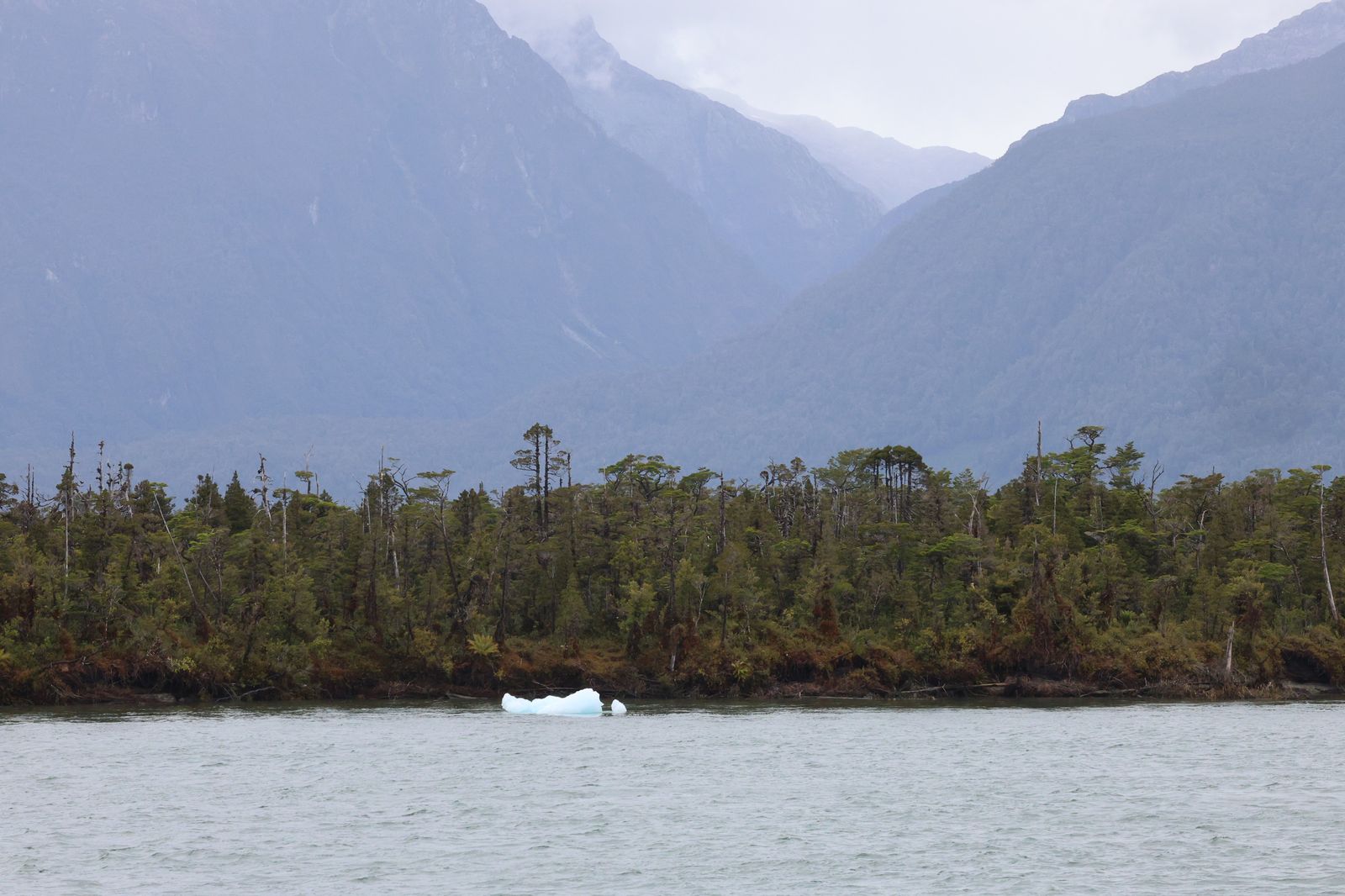
Aysén, January. Morning coffee in Puerto Aysén, then the boat. The captain checks the weather and reorders the day, because the fjord has its own rules. The engine stops next to an ice floe. No other boat in sight. The only sound is the water.
Both are Patagonia. Only one of them draws hundreds of thousands of people a year.
When to choose Torres del Paine
It is your first time in Patagonia and you want to see the most famous sights. You want to trek independently on a marked route. You need a fixed programme and guaranteed beds. And you do not mind being one of many at the best-known spots.
When to choose Aysén
You have seen a lot and crowded places no longer appeal. You want landscapes on the southern scale without the queues. You want to be on the water, in the rainforest and at a glacier you cannot drive to. And you accept that the weather shapes the programme more than any itinerary.
Five places with southern-scale scenery and northern quiet are compared in Patagonia without the crowds.
Can you do both?
Yes, but not in ten days. Aysén and Torres del Paine are separated by hundreds of kilometres of fjords and icefields with no direct road. The transfer is by air, via Punta Arenas or back through Santiago, and takes a full day. Combining the two makes sense from three weeks. More on timing in when to go to Patagonia.
What to take away
Torres del Paine is the Patagonia you already know from photos. Aysén is the Patagonia you only get to know once you are there.
Come back from Torres del Paine and you bring a view that many people have on their phones. Come back from Aysén and you will be describing a place to people who have never heard of it.