
Aysén in depth · Part 13 ·
Darwin in the Chonos Archipelago:
what he wrote in his diary
Jaroslav Sokol · Aysén region, Chile · 9 min read
The short answer
On 13 December 1834 HMS Beagle sailed into the Chonos Archipelago in what is now the Aysén region of Chile. On board was 25-year-old Charles Darwin. The Beagle stayed until mid-January 1835: the crew surveyed the coast and the Tres Montes peninsula, found five American castaways who had lived on seal meat for fifteen months, and Darwin tasted wild potatoes. There is still no road to the islands.
For most people Darwin means the Galápagos and giant tortoises. But before the Beagle reached the Galápagos, Darwin spent more than a year on the Chilean coast. The wildest part of it was here in Aysén, across the Moraleda Channel from the fjord where I own land.
I read his diary for December 1834 and January 1835. These are the best passages, quoted from the original.
Where the Chonos Archipelago is
The Chonos Archipelago is a chain of low, mountainous islands around the 45th parallel south, between Chiloé to the north and the Taitao peninsula to the south. Geologically it is a drowned part of Chile's Coast Range: mountains of which only the ridges are left above water. The Moraleda Channel separates it from the mainland, and the Aysén Fjord opens into that channel.
The largest islands are Melchor, Benjamín, Traiguén, Riveros, Cuptana, James, Victoria and Level. Most are still forested and uninhabited. Remote Guamblin Island is a national park of 106 km², visited by blue whales.
The area was charted mainly by three men: the Spanish navigator José de Moraleda in 1793, Robert FitzRoy of the Beagle in 1834, and the Chilean Enrique Simpson in 1870–71. Moraleda and Simpson left their names on a channel and an island. FitzRoy brought Darwin.
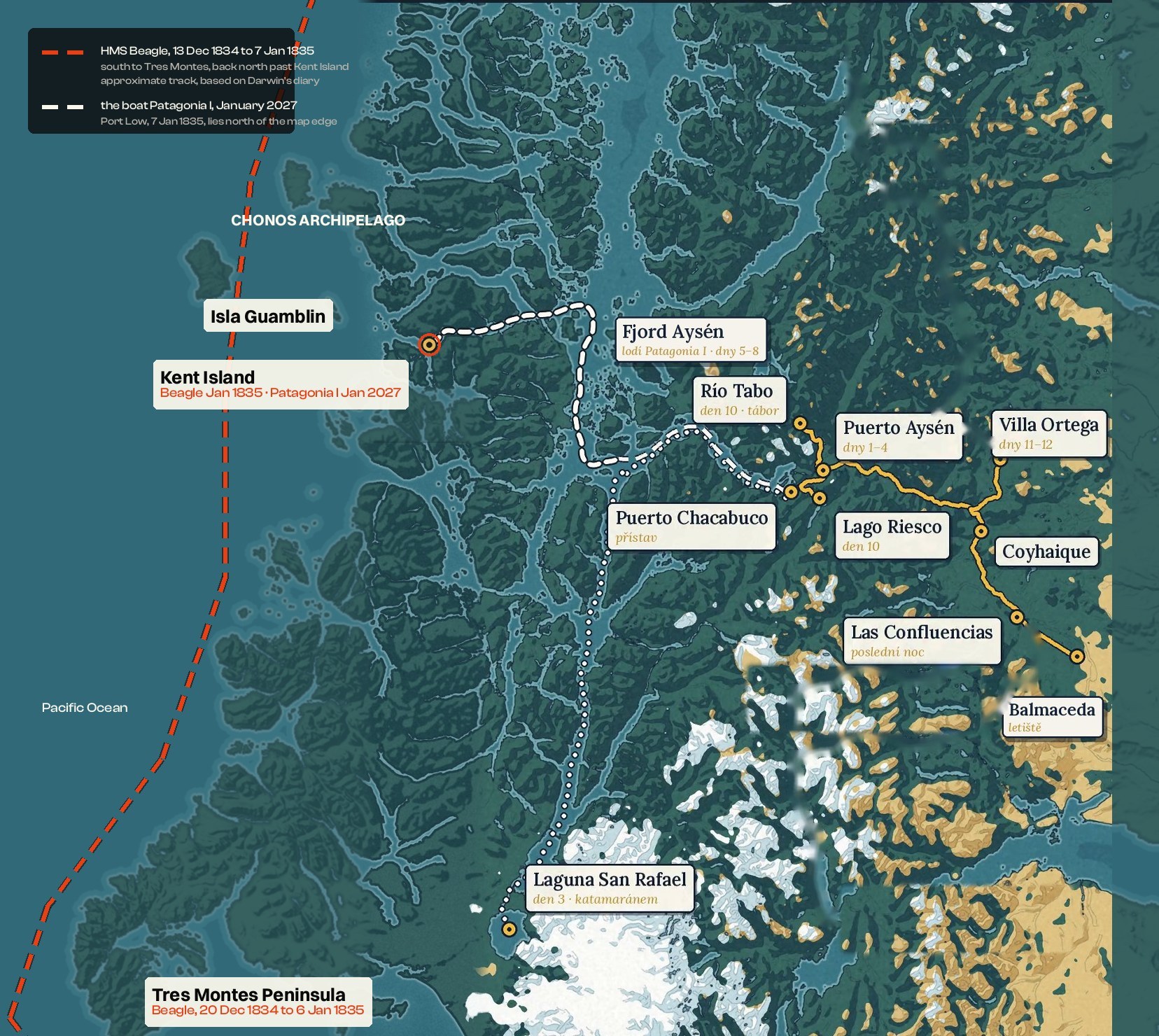
The Beagle in the Chonos, day by day
The Beagle was not a pleasure boat. Her job was to chart the coast for the British Admiralty, and Darwin sailed as Captain FitzRoy's guest. While the ship surveyed the bays, he walked the shore, collected rocks, plants and animals, and wrote in the evening.
- 13 December 1834: enters the southern part of the Chonos Archipelago
- 14 December: the storm Darwin describes in his diary
- 20–22 December: the coast of the Tres Montes peninsula, a climb to a summit of 1,600 feet
- 28 December: five American deserters found on the shore
- 30–31 December: hunting wild goats, the granite mountains of Tres Montes
- 1–6 January 1835: gales and seals off Tres Montes, then north along the western edge of the archipelago, where Isla Kent lies
- 7 January: Port Low in the north of the archipelago, wild potatoes
- 17 January: anchored at San Carlos on Chiloé; on 19 January Darwin watches the Osorno volcano erupt
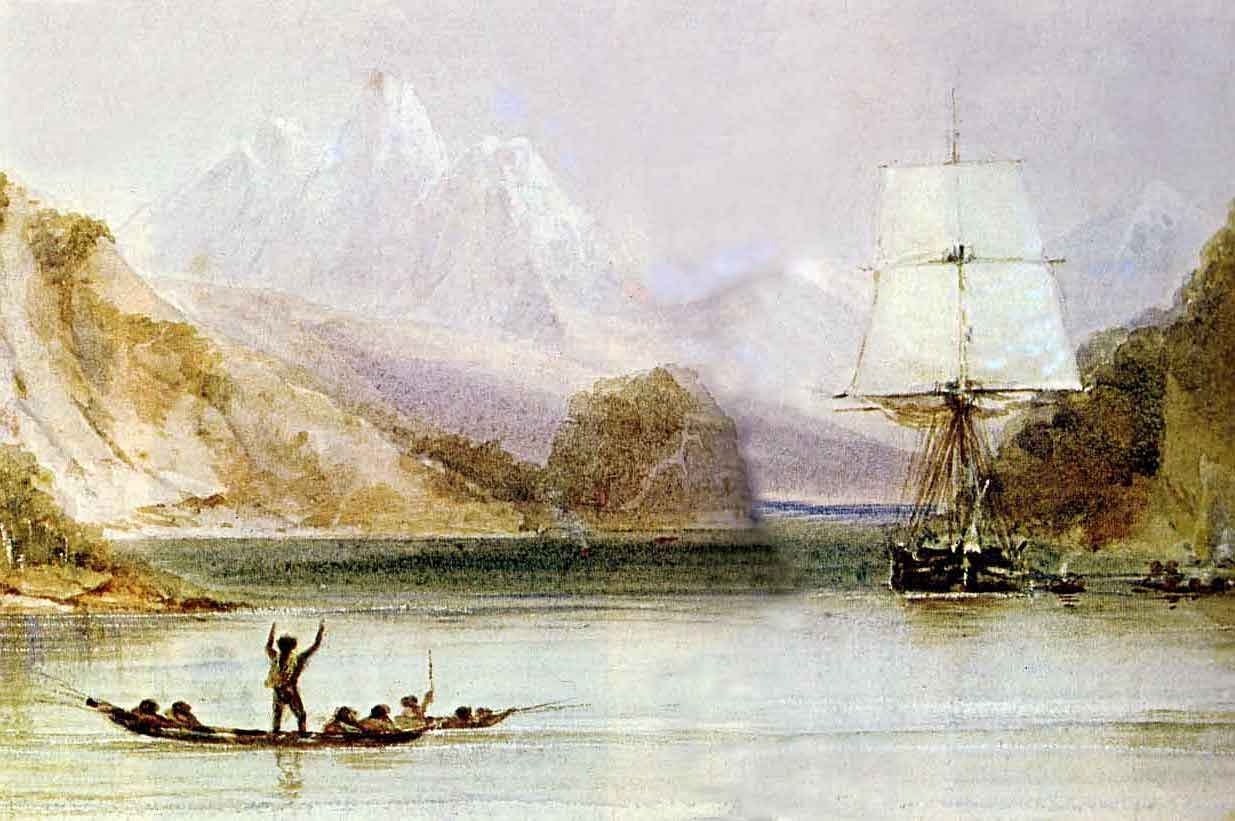
From Darwin's diary
Darwin kept a personal diary on the Beagle. It later became the book The Voyage of the Beagle. The passages below come from both.
13 December 1834, arrival
We ran into an opening in the Southern part of the Guyatecas or Chonos Archipelago & soon found a good harbor.
Diary, 13 December 1834
14 December, the storm
White massive clouds were piled up against a dark blue sky & across them black ragged sheets of vapor were rapidly driven. The water was white with the flying spray; & the wind lulled & roared again through the rigging.
Diary, 14 December 1834
That day Darwin saw an almost complete circle of rainbow over the water, not an arch. It was made by the spray the wind was lifting off the surface.
The terrain, as he described it in the book
The surface of the land in all these islands is all but impassable. The coast is so very rugged that to attempt to walk in that direction requires continued scrambling up and down over the sharp rocks…
The Voyage of the Beagle, chapter XIII
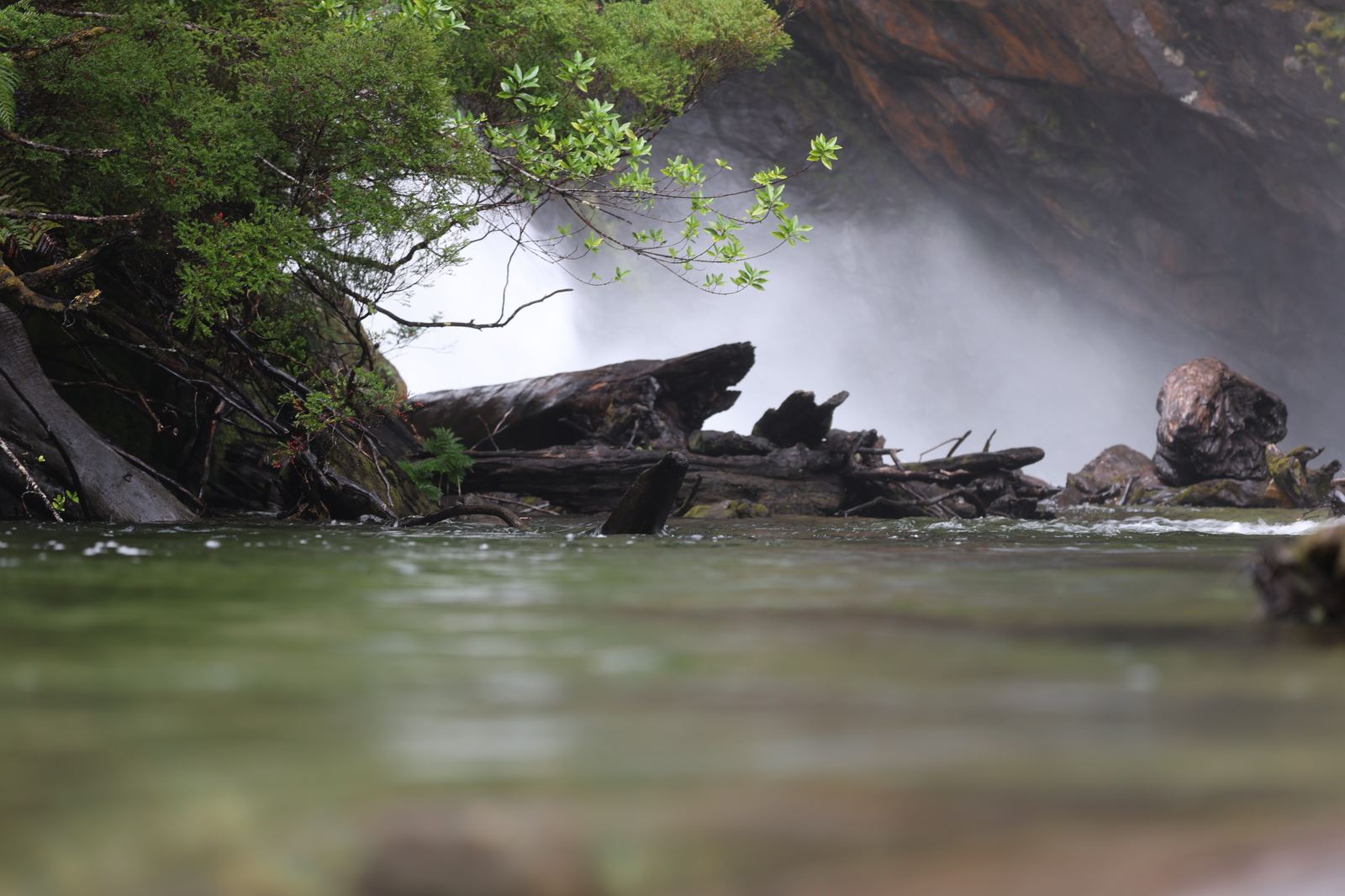
On 22 December Darwin climbed a summit of 1,600 feet, about 490 metres, using the trees as a ladder. On the way he found this:
22 December, signs of people
a bed made of grass, beneath a ledge of rock; close by it there had been a fire, & the man had used an axe.
Diary, 22 December 1834
30 December, Tres Montes
The chief part of the range was composed of grand, solid, abrupt masses of granite, which appeared as if they had been coeval with the beginning of the world.
The Voyage of the Beagle, chapter XIII
Wild potatoes, castaways and a dog that is not a dog
Potatoes. Wild potatoes grew in abundance on the sandy, shelly soil near the beaches. Darwin, naturally, tasted them:
The tallest plant was four feet in height. The tubers were generally small, but I found one, of an oval shape, two inches in diameter: they resembled in every respect, and had the same smell as English potatoes; but when boiled they shrunk much, and were watery and insipid, without any bitter taste.
The Voyage of the Beagle, chapter XIII
In metric: a plant of 1.2 m, the largest tuber 5 cm. According to Mr Low, the potatoes grew as far south as the 50th parallel, and the local people there called them aquinas.
Castaways. On 28 December someone waved to them from the shore. They were American sailors:
A party of six had run away from an American whaling vessel, and had landed a little to the southward in a boat, which was shortly afterwards knocked to pieces by the surf.
The Voyage of the Beagle, chapter XIII
For fifteen months they wandered the coast, living on seal meat and shellfish. One fell from a cliff and died, so five were waiting on the shore. Darwin wrote that he had never seen such anxiety in men's faces as they tried to get into the boat. The Beagle took them on board.
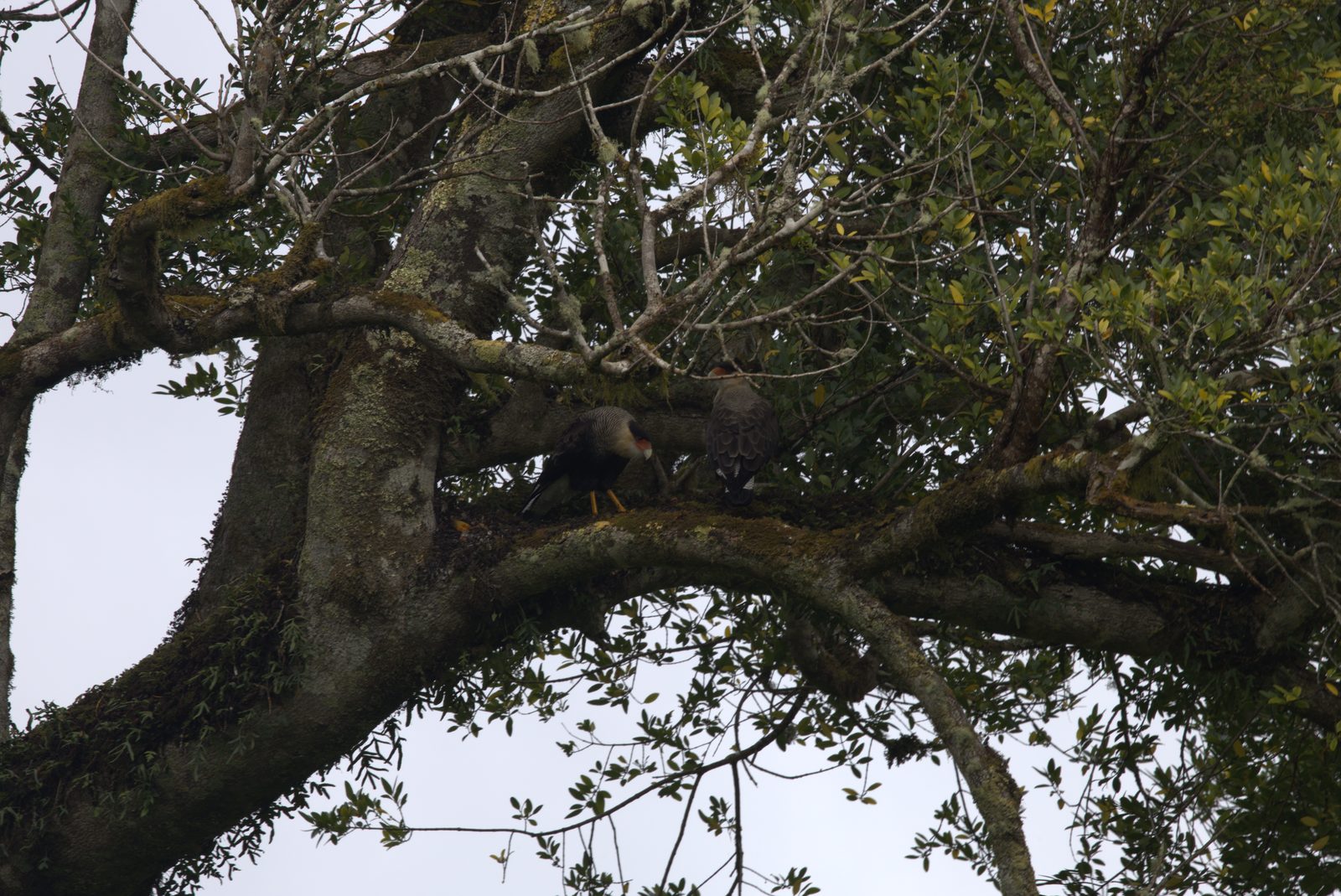
Animals. Darwin mentions the coypu, known for its fur, and a small sea otter that was very common in the channels. But what he enjoyed most were the birds, which in the dense forest you hear rather than see. Of one he wrote:
I defy any one at first to feel certain that a small dog is not yelping somewhere in the forest.
The Voyage of the Beagle, chapter XIII
The Chonos: people who left only a name
By the time Darwin arrived, the Chono people had all but disappeared. They were nomadic marine hunter-gatherers, the first known inhabitants of the Chiloé, Guaitecas and Chonos archipelagos. They travelled in plank boats sewn together, called dalca. The men hunted sea lions, the women gathered shellfish and seaweed.
First contact with the Spanish came in 1553. From 1608 the Spanish raided them for slaves, although the Chonos had never rebelled. In 1710 a large group settled voluntarily in Spanish Calbuco. After the 18th century they vanish from the records. More on the region's history in The Aysén region: a province younger than Czechoslovakia.
So the grass bed and the fire with axe marks Darwin found on 22 December need not have belonged to the Chonos. Darwin also met five fishermen from Caylen, "el fin del Cristiandad", who had crossed the open sea between Chiloé and the Chonos in a miserable canoe.
The Chonos today, and Isla Kent
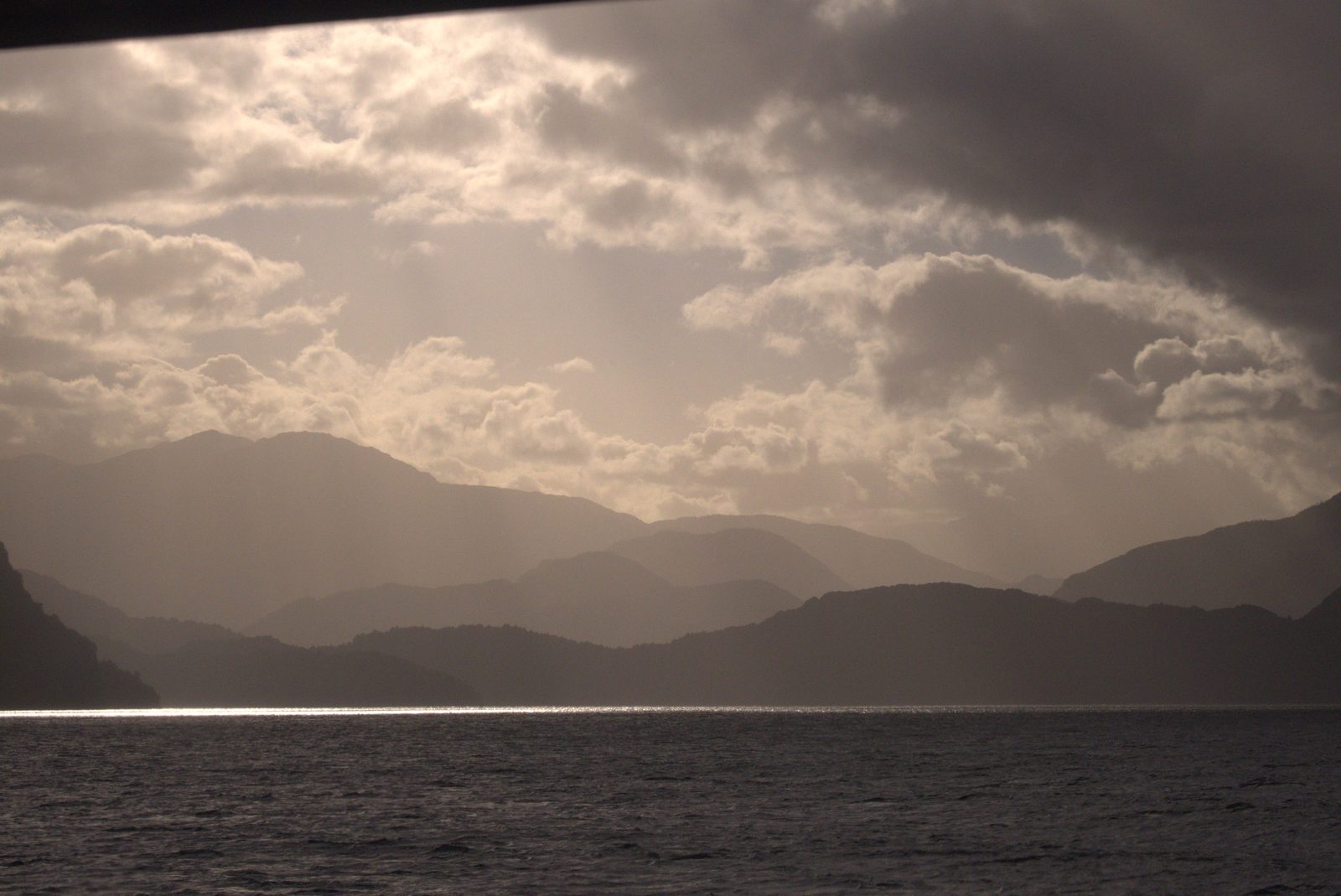
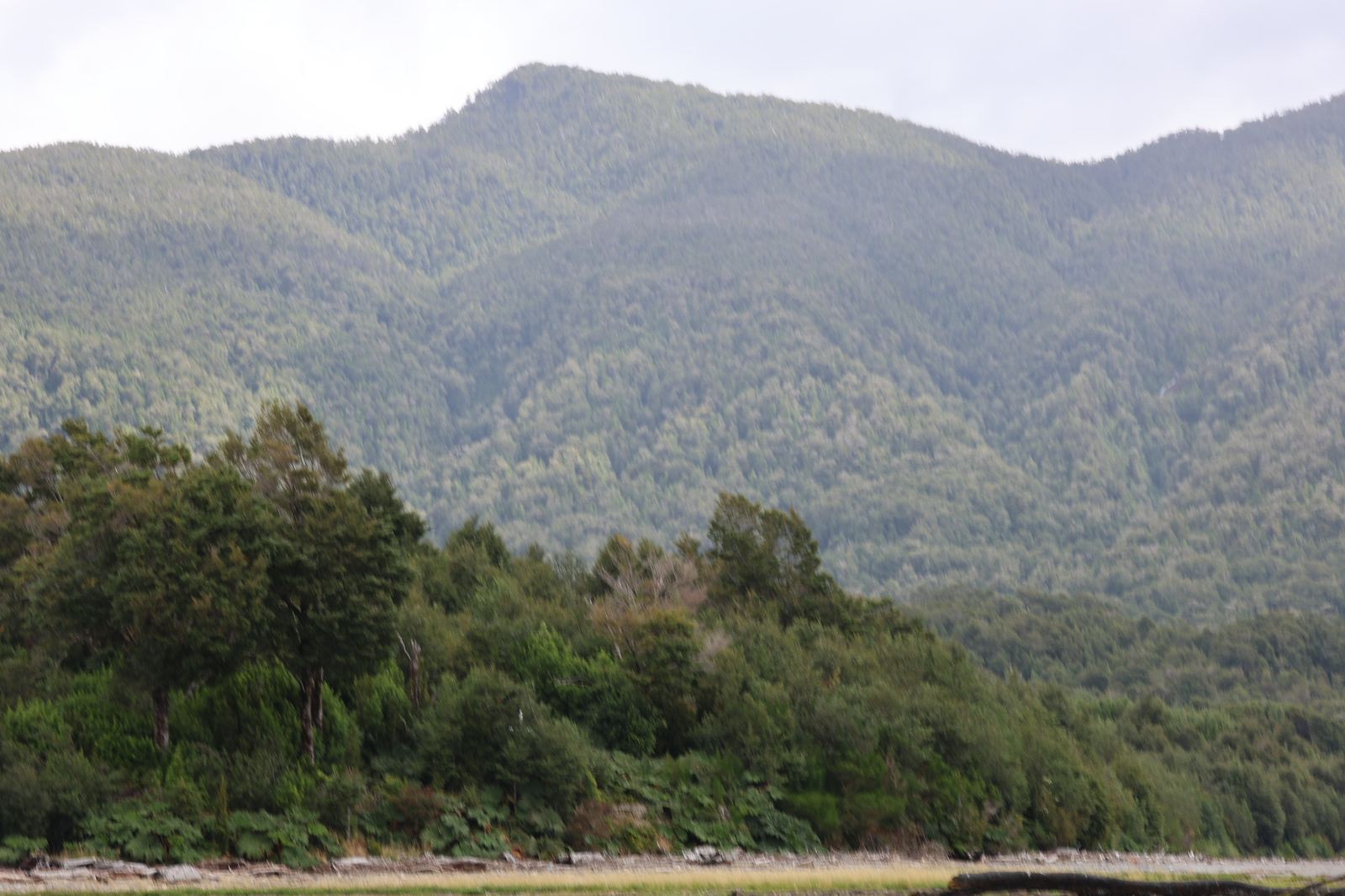
192 years after Darwin, little has changed on most of the islands. There is no road, the islands are covered in forest and nobody lives on them. The weather is still the way Darwin described it on 14 December: white clouds, a dark blue sky, and rain an hour later.
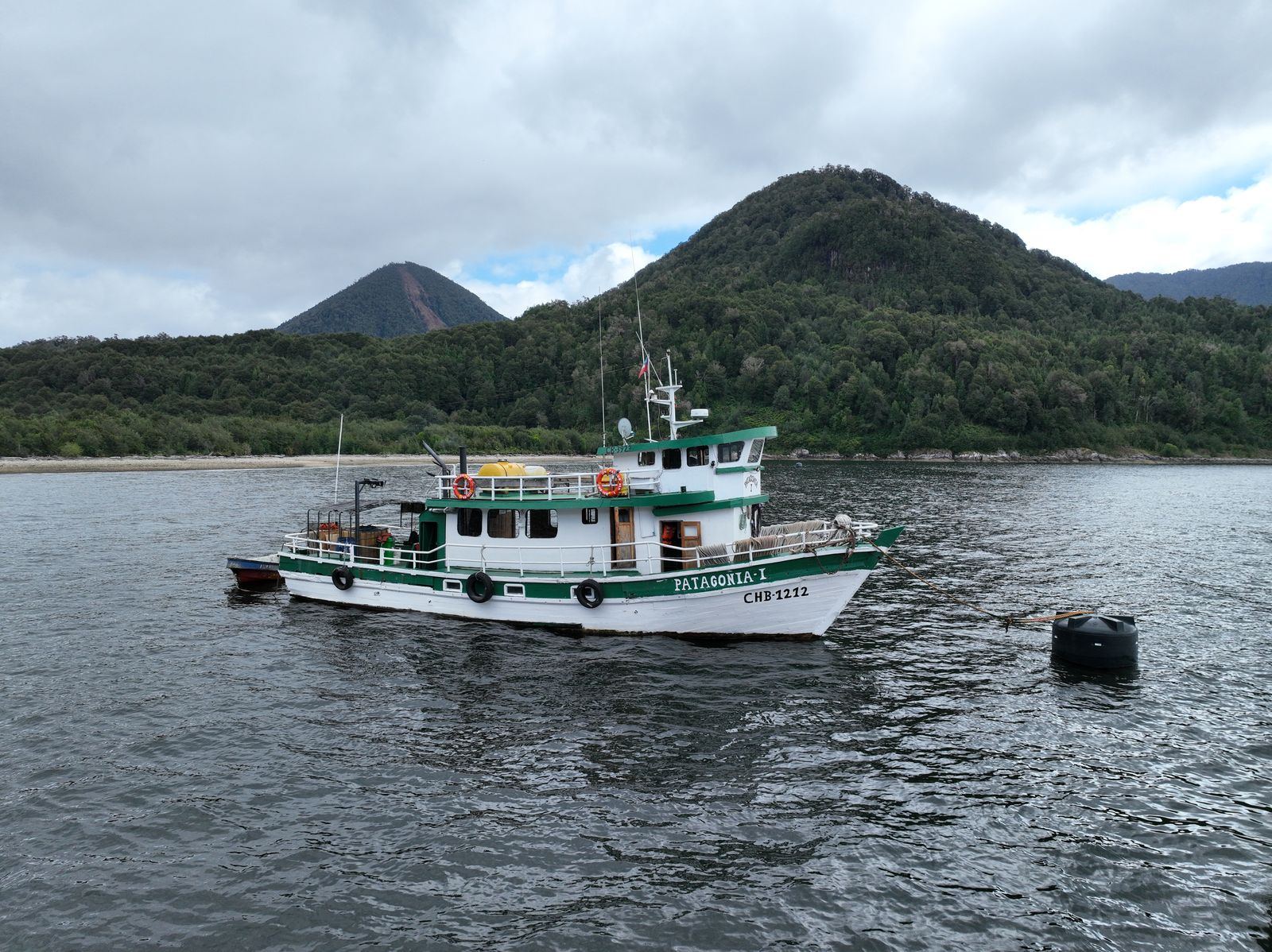
Our expedition heads for Isla Kent and on among the islands. In January 1835 the Beagle sailed past it with Darwin on board; in January 2027 Patagonia I will be there. Kent lies at 45° 06′ S, in the western part of the archipelago, inside Las Guaitecas National Reserve. It is covered in evergreen rainforest, and penguins, cormorants and dolphins live around it. There is no road and no permanent settlement.
The Aysén Fjord, where I go every year, opens into the Moraleda Channel, which separates the Chonos from the mainland. Anyone who stands in the Aysén forest today and hears a dog barking in the undergrowth has one advantage over Darwin. They know it is a bird.
Frequently asked questions
When was Charles Darwin in the Chonos Archipelago?
From 13 December 1834 to mid-January 1835. The Beagle surveyed the southern part of the archipelago and the Tres Montes peninsula, was at Port Low in the north of the archipelago on 7 January and anchored at San Carlos on Chiloé on 17 January.
What did Darwin find in the Chonos Archipelago?
Wild potatoes, five American deserters who had survived for fifteen months on seal meat and shellfish, the granite mountains of Tres Montes, and a forest he described as all but impassable.
Where is Isla Kent?
At 45° 06′ S in the western part of the Chonos Archipelago, inside Las Guaitecas National Reserve in the Aysén region. There is no road; you can only get there by boat.
Can you visit the Chonos Archipelago today?
Only by boat. Most islands are uninhabited. There are two settlements, Melinka in the Guaitecas islands and Puerto Aguirre on Las Huichas island.
Sources
- Charles Darwin: Beagle Diary, December 1834 – arrival 13 Dec, storm 14 Dec, climb 22 Dec, deserters 28 Dec, Tres Montes
- Charles Darwin: Beagle Diary, January 1835 – Tres Montes, Port Low 7 Jan, San Carlos 17 Jan, Osorno 19 Jan
- Charles Darwin: The Voyage of the Beagle, chapter XIII – terrain, Tres Montes granite, potatoes, deserters, Caylen fishermen, animals
- Wikipedia: Chonos Archipelago – location, islands, Moraleda Channel, Guamblin, surveys 1793, 1834, 1870–71
- Wikipedia: Chono people – dalca, contact 1553, raids from 1608, Calbuco 1710
- Wikipedia: Charles Darwin – date of birth, age on the voyage
- Mapcarta: Isla Kent – coordinates
- Playas de Chile: Isla Kent – Las Guaitecas reserve, penguins, cormorants, dolphins
The Beagle's route past Isla Kent is inferred from the diary (Tres Montes 6 Jan, Port Low 7 Jan); Darwin did not record the exact course. The weather and forest of Aysén are described from my own experience.
Four days aboard the Patagonia I, through the Aysén Fjord to Isla Kent. The same waters as the Beagle.
Expedition programWritten from Aysén
What didn't fit in the article
Every so often I send an email about what is happening in Aysén, new articles like this one, and chapters of Václav Nový's memoirs, which I translate from the Spanish. When places open on an expedition, I'll mention it in one line. Nothing else.
Two emails a month at most. One-click unsubscribe. Your address is never shared, privacy policy.
All articles
Patagonia from scratch · series
Series part 1 · The Aysén region: a province younger than Czechoslovakia24 Aug 2026Aysén in depth
Darwin in the Chonos Archipelago: what he wrote in his diaryyou are here Whales, orcas and dolphins in Aysén: what you will actually see15 Sep 2026 The Ring of Fire in Aysén: volcanoes, a fault and a fifty-metre wave14 Sep 2026 24 min listenGuides
Aysén or Torres del Paine? A comparison for the undecided5 Oct 2026 Patagonia: Chile or Argentina? How to choose4 Sep 2026 7 min listen What a Trip to Patagonia Really Costs26 Aug 2026 8 min listen Carretera Austral: What Driving It Actually Takes21 Aug 2026 7 min listen When to Fly to Patagonia: Months, Light and Flights17 Aug 2026 5 min listen Patagonia Without the Crowds: Where to Go Instead7 Aug 2026 8 min listen Chile's Marble Caves: How to Get There29 Jul 2026 5 min listen Cerro Castillo: The Trek They Call the New Torres del Paine22 Jul 2026 7 min listenBefore you book
Patagonia Tour or Small Expedition?22 Aug 2026Expedition journal
San Rafael Glacier: The Day the Glacier Spoke5 Aug 2026 2 min listen