
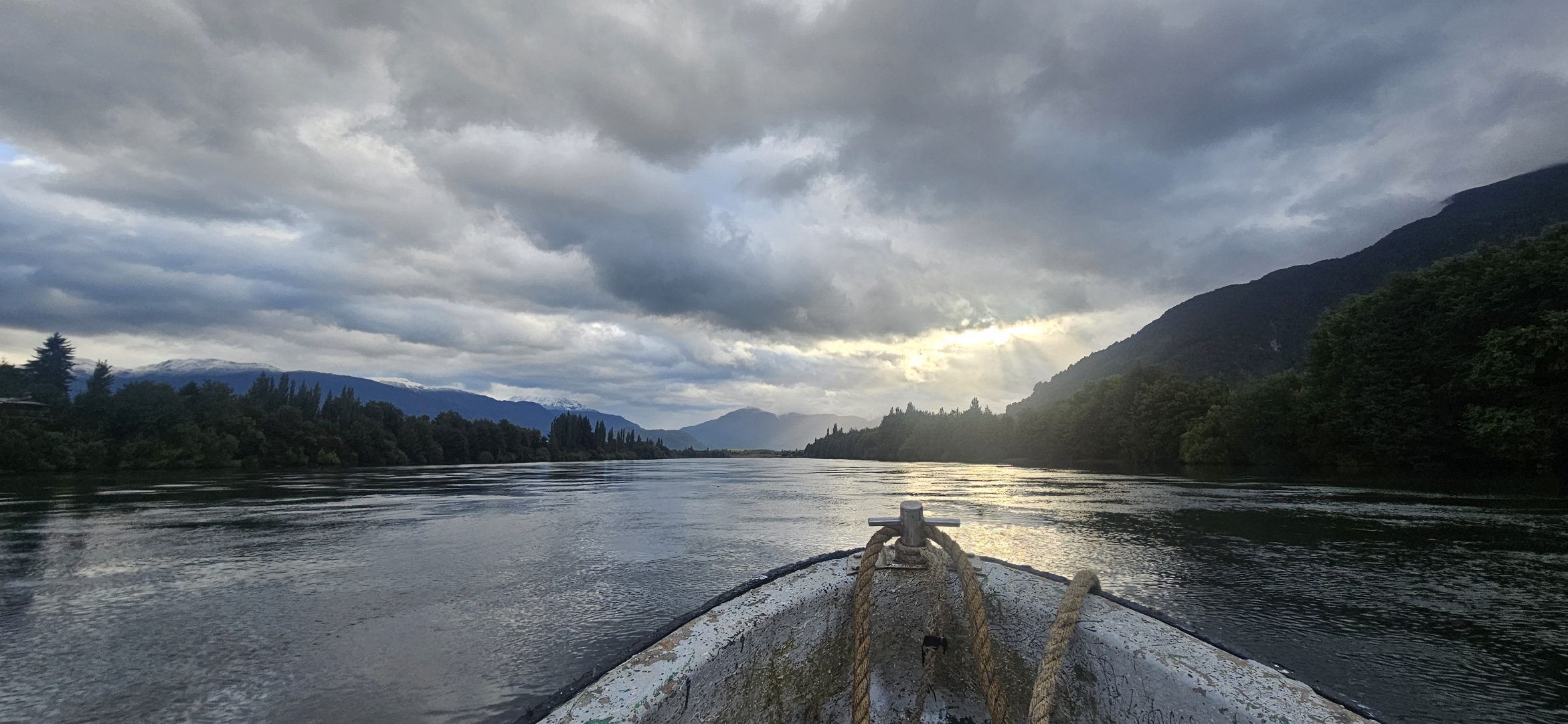
Summer in Aysén is not the summer you know from Europe. In a single day you can get sun, wind, rain and a morning around eight degrees. The point is not to pack a lot. The point is to pack the right things.
This list is based on what the weather in the region is actually like in January and February, and on things that are hard to find once you are there.
I write this as the founder of AysenFjord, a private 12-day expedition for 3 to 6 people into the inner Aysén Fjord.
The short answer
Layers, not one warm jacket. A T-shirt, a fleece or light down jacket and a waterproof shell on top. Add waterproof trousers, sturdy boots, a hat, gloves, sunglasses, insect repellent and a plug adapter.
What weather to expect in January and February
In Coyhaique, where you land, January averages 19.5 °C by day and 8.9 °C at night. About 58 millimetres of rain falls in the whole month. February is similar.
Puerto Aysén sits closer to the sea and it shows. Daytime temperatures are similar, but January brings about 160 millimetres of rain, nearly three times more than Coyhaique. Over a year it is more than 2,200 millimetres, twice as much as inland.
For packing, that means one thing: the closer to the fjords, the more rain. More on months and daylight in When to go to Patagonia.
Layers instead of one warm item
The difference between morning and afternoon is often ten degrees or more. On a boat, add wind. A three-layer system works best:
- base layer: a technical T-shirt, long-sleeved is fine,
- mid layer: a fleece or a light down or synthetic jacket,
- outer layer: a waterproof, windproof jacket with a hood.
Layers can be added and removed during the day. One thick jacket cannot.
Rain and water
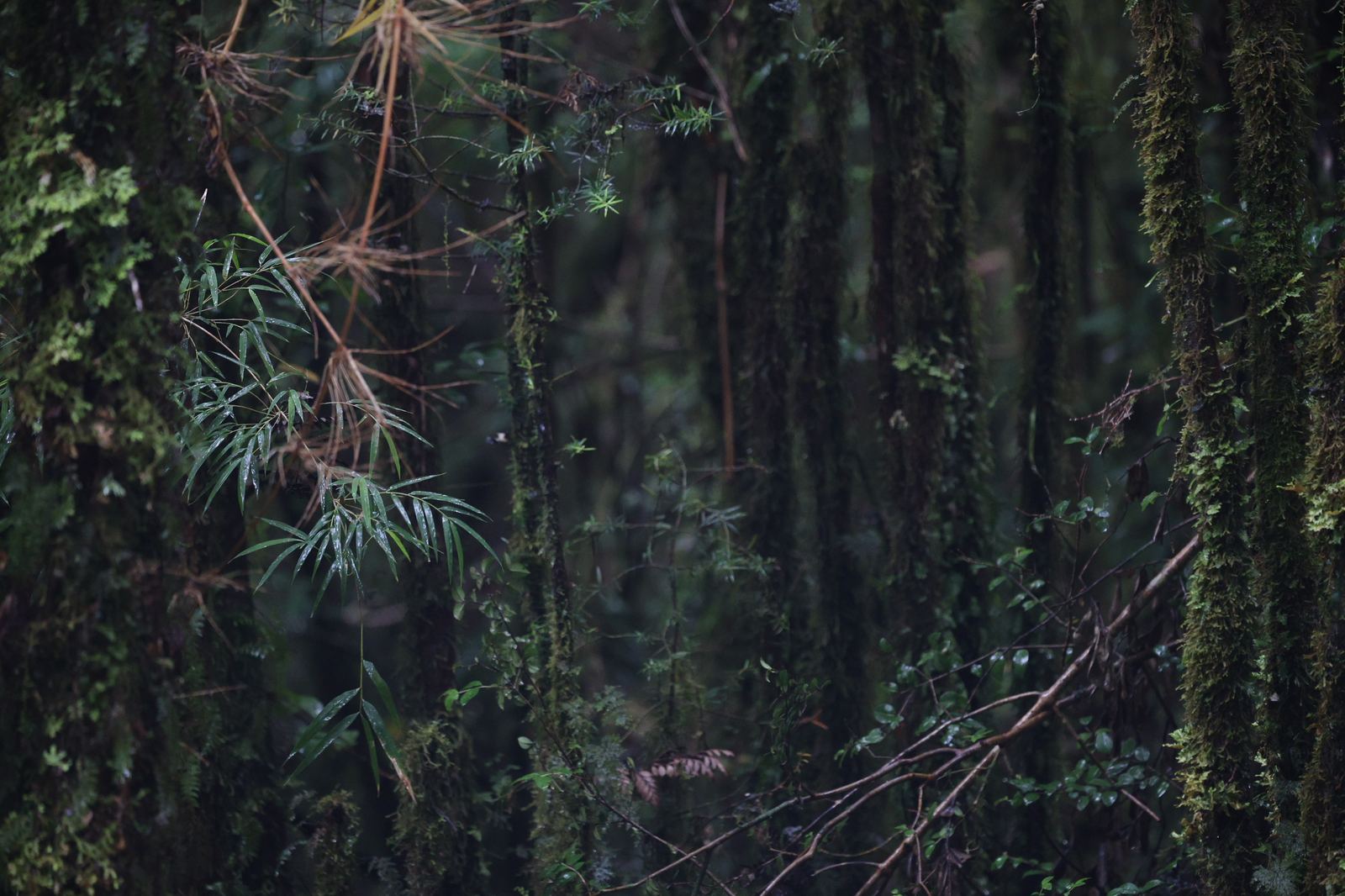
A waterproof jacket and waterproof trousers are the basics, not a backup. Add a pack cover or a dry bag for documents, phone and spare clothes. On a boat, spray hits you even on a sunny day.
Footwear
Sturdy ankle boots with a membrane, broken in at home, not new from the shop. Add lighter shoes for evenings and town, and sandals or water shoes if you plan to step from a small boat onto the shore.
Tábanos: the summer pest nobody mentions
From mid-December, tábanos appear in Aysén: large horse flies, locally also called coliguachos. They peak from late December through January and drop off quickly towards the end of January.
They are drawn to dark colours: black, navy, dark green. Light-coloured long sleeves help, as does repellent containing DEET or picaridin. Bring the repellent from home.
Sun and long days
In January, daylight lasts well into the evening in Aysén. Sun reflects off water and snow. Sunglasses, sunscreen and a cap belong in your pack even on days that start with rain.
Power, phone and signal
Chile uses type C and L sockets, 220 V and 50 Hz. The European type C plug fits; the wider type E/F plug with an earth pin often does not. An adapter is worth it.
Outside towns, signal is weak or absent. Bring a power bank and download offline maps before you leave home.
What you must not bring and what to check
On arrival in Chile you fill in a sworn declaration for the agricultural and livestock service SAG. It covers plant and animal products, including food from home. Failing to declare them can mean a fine. Leave fruit, cured meats and cheese at home, or declare them honestly.
Drones: flying is regulated by Chile's civil aviation authority, DGAC. Check the rules for visitors and for protected areas before you travel, not on arrival.
Checklist
- technical T-shirts (2–3), a fleece or light down jacket
- waterproof jacket and waterproof trousers
- sturdy ankle boots, lighter shoes, water shoes
- warm hat, thin gloves, neck gaiter
- sunglasses, sunscreen, cap
- repellent with DEET or picaridin
- dry bag or pack cover
- type C/L plug adapter, power bank
- personal medication and a small first-aid kit
- copies of documents and travel insurance
The takeaway
Aysén does not require expedition gear. It requires gear that does not mind water and wind. Pack layers and waterproofs and you are halfway there. The weather takes care of the rest, changing faster than you can pull out your jacket.
If you are still working out a budget, read How much a trip to Patagonia costs.