
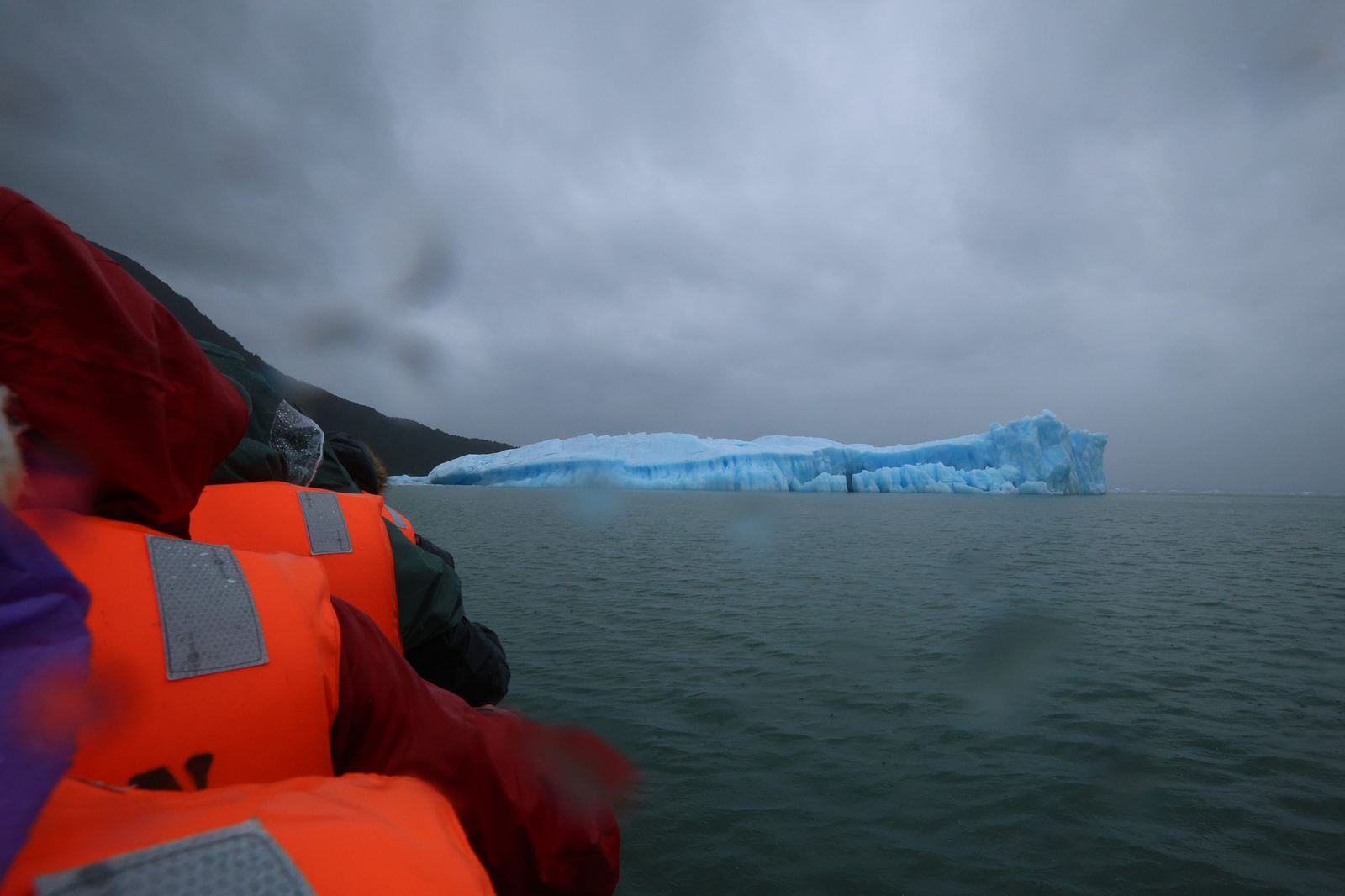
Aysén is not a dangerous region. It is a remote one. Hospitals are far away, signal is patchy and the weather decides whether a boat sails. This is not about fear. It is about knowing how things work here before you leave home.
I write this as the founder of AysenFjord, a private 12-day expedition for 3 to 6 people into the inner Aysén Fjord.
The short answer
Travel insurance is essential, not optional. Save the emergency numbers, register with your embassy or foreign ministry, expect stretches without signal and accept that a boat trip may be postponed because of weather.
Why not to travel uninsured
The Czech Ministry of Foreign Affairs strongly recommends taking out travel health insurance before visiting Chile. Czechia has no healthcare agreement with Chile and private care is very expensive. Some clinics ask for payment upfront, in cash.
The European Health Insurance Card (EHIC) is not valid in Chile. In countries without an agreement, Czech public insurance can refund only urgent care, and only up to what it would have cost at home. Prices in Chile tend to be higher. Check the rules that apply in your own country.
What to check in your policy
I do not recommend any specific insurer. I do recommend reading the terms and looking for answers to these questions:
- What is the medical expenses limit, and is it high enough for a country where you pay upfront?
- Does the policy cover evacuation and repatriation, including air transport from a remote place?
- Does it cover the activities you plan: trekking, boat trips, small-boat excursions?
- Does it exclude remote areas or places without medical facilities?
- Does the insurer run a 24-hour assistance line, and how do you reach it without signal?
Where the nearest hospital is
Hospital Regional Coyhaique describes itself as the only high-complexity hospital in the entire region, a region of more than 108,000 km².
From the southern part of the Carretera Austral, Coyhaique can be several hours' drive away. It makes sense to carry your own first-aid kit and enough personal medication, and to know where the nearest health post is on your route.
Signal and communication
The Carretera Austral has long stretches without mobile signal. Where there is signal, often only one carrier has it. Download offline maps and leave your route and return time with someone who stays connected.
Chilean carrier Entel offers satellite messaging direct to phones together with Starlink. The service is only for Entel customers with a compatible phone; it does not cover roaming from abroad.
Emergency numbers in Chile
- 131 ambulance
- 132 fire brigade
- 133 Carabineros (police)
- 134 PDI investigative police
- 136 mountain rescue
- 137 maritime authority, emergencies at sea and on the coast
- 138 air rescue
Save them in your phone before you leave. Also register with your foreign ministry's travel registration service (for Czech travellers, DROZD), so the consulate can reach you if needed.
The weather decides, not the timetable
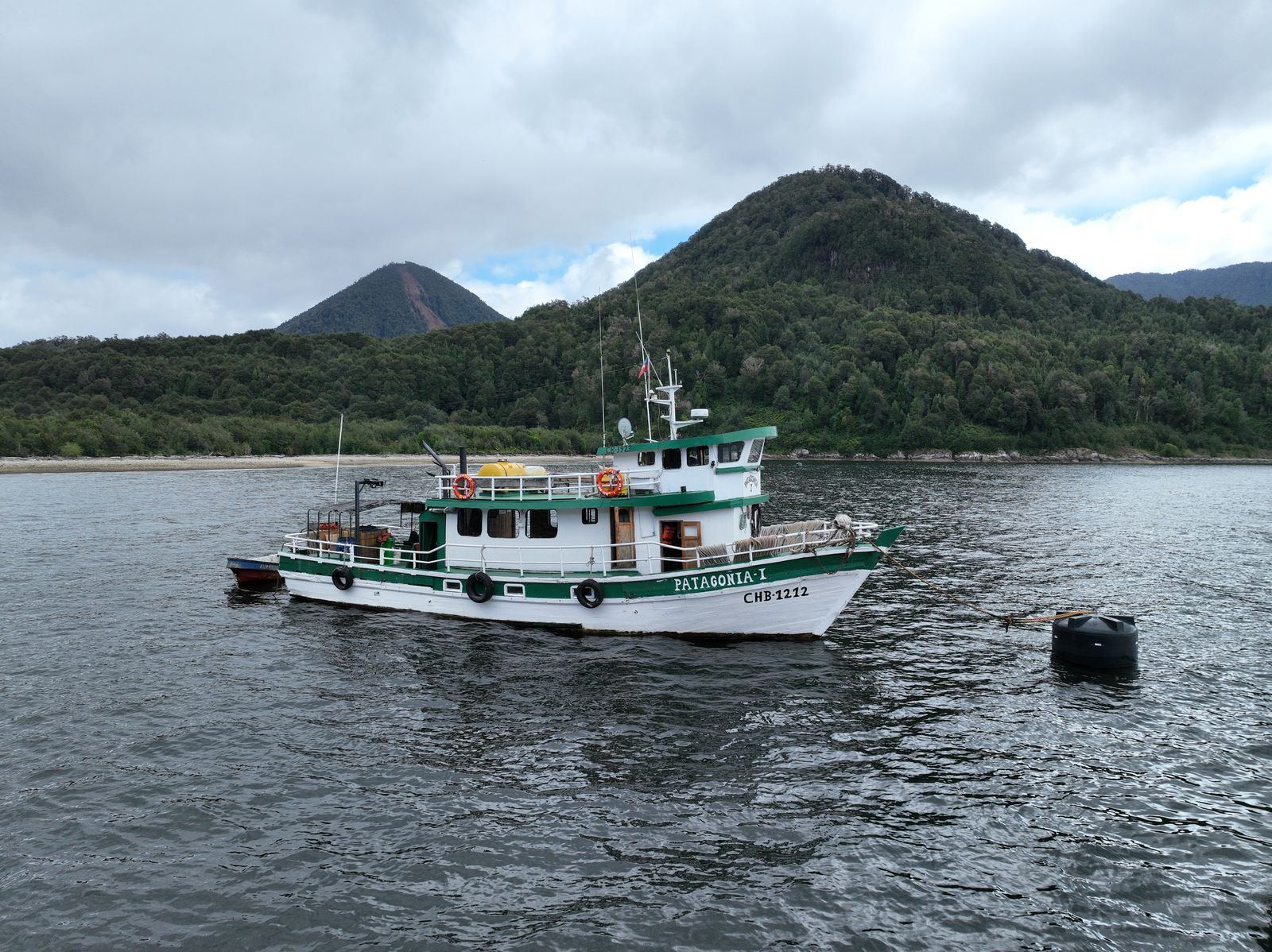
Harbour masters of the Chilean Navy declare a port status according to the weather. In deteriorating conditions small vessels must stay in shelter, and in bad weather ports can be closed to small craft. Nobody sails just because it is on the itinerary.
For travellers that means one thing: plan with a buffer. A spare day at the end of the trip is not wasted time, it is insurance that you make your flight home. More on reaching the glacier in San Rafael Glacier.
Fire: one rule that is never broken
The Czech foreign ministry warns that forest fires are a risk in Chile from December to March and that authorities close whole areas because of them. National parks enforce a strict fire ban. In Cerro Castillo National Park, for example, any heat source is prohibited, including gas stoves and cigarettes, and violations are punishable by law.
Torres del Paine shows why. The fire that burned there from December 2011 to March 2012 and affected more than 17,000 hectares was started by a tourist burning toilet paper.
In parks, also register with park staff or at the entrance points. Some trails, for example in Cerro Castillo National Park, may be open only with a certified guide. Check the current status with CONAF; details are in Cerro Castillo trek.
The takeaway
Safety in Aysén is not about courage. It is about preparation: good insurance, saved numbers, a buffer in the plan and respect for weather and fire. The rest is a region where people know each other and help each other.
What to look out for when choosing an organised trip is covered in Tour or expedition?.